Around the world, something remarkable is happening. Demand for dark sky tourism is growing faster than the industry can currently fulfil.
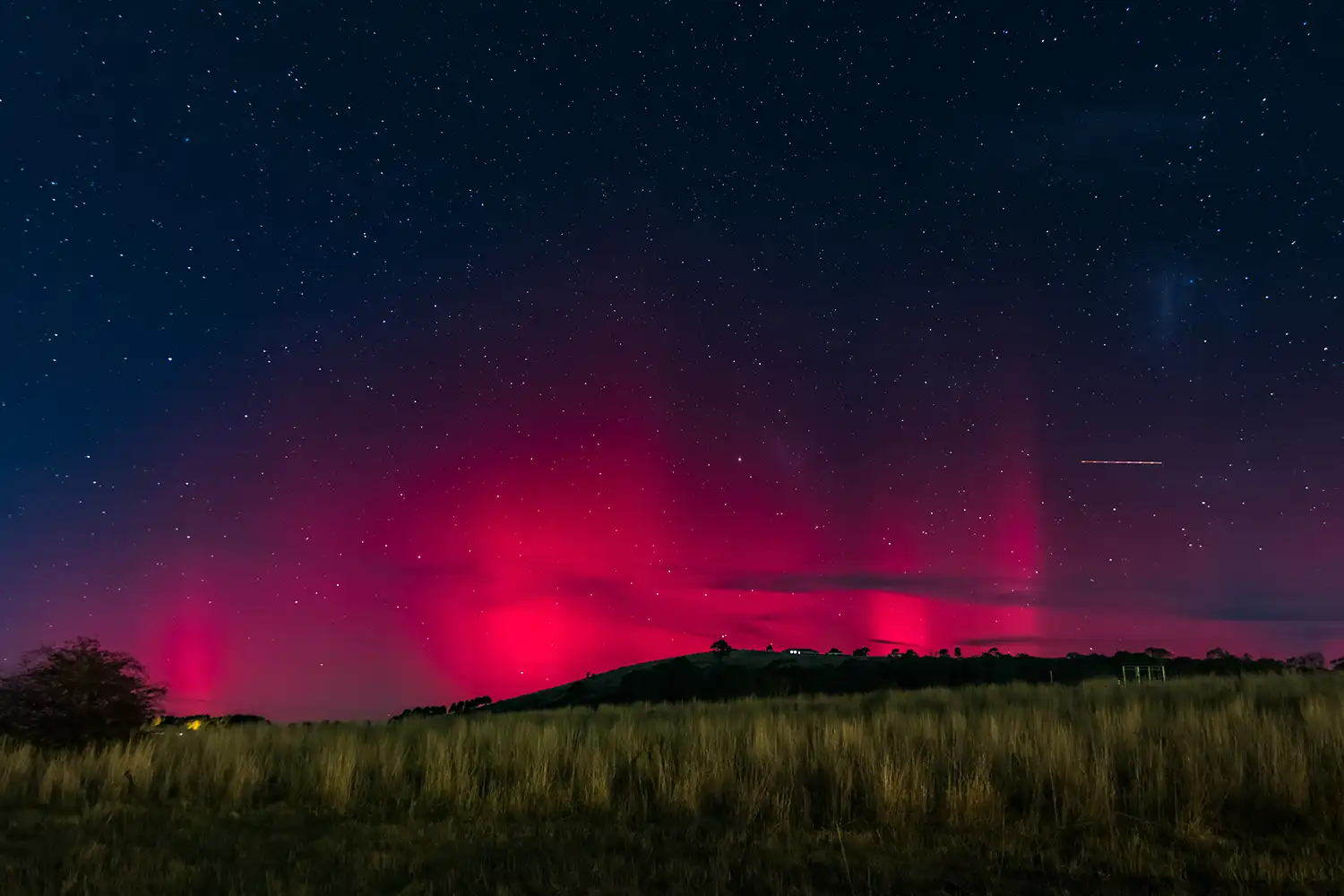
People are travelling specifically to experience the night sky in ways that would have been unthinkable just a decade ago. Accommodation sells out in aurora regions when forecasts look promising. Entire travel itineraries are built around eclipses. Meteor showers, super moons, and blood moons capture global attention, drawing people out into the dark.
Even the simple, timeless beauty of constellations overhead is becoming a reason to step away from city lights and look up.
This surge in interest tells us something important: people have caught on to the awe of the night sky, and they are seeking it with intention.
A Return to Wonder
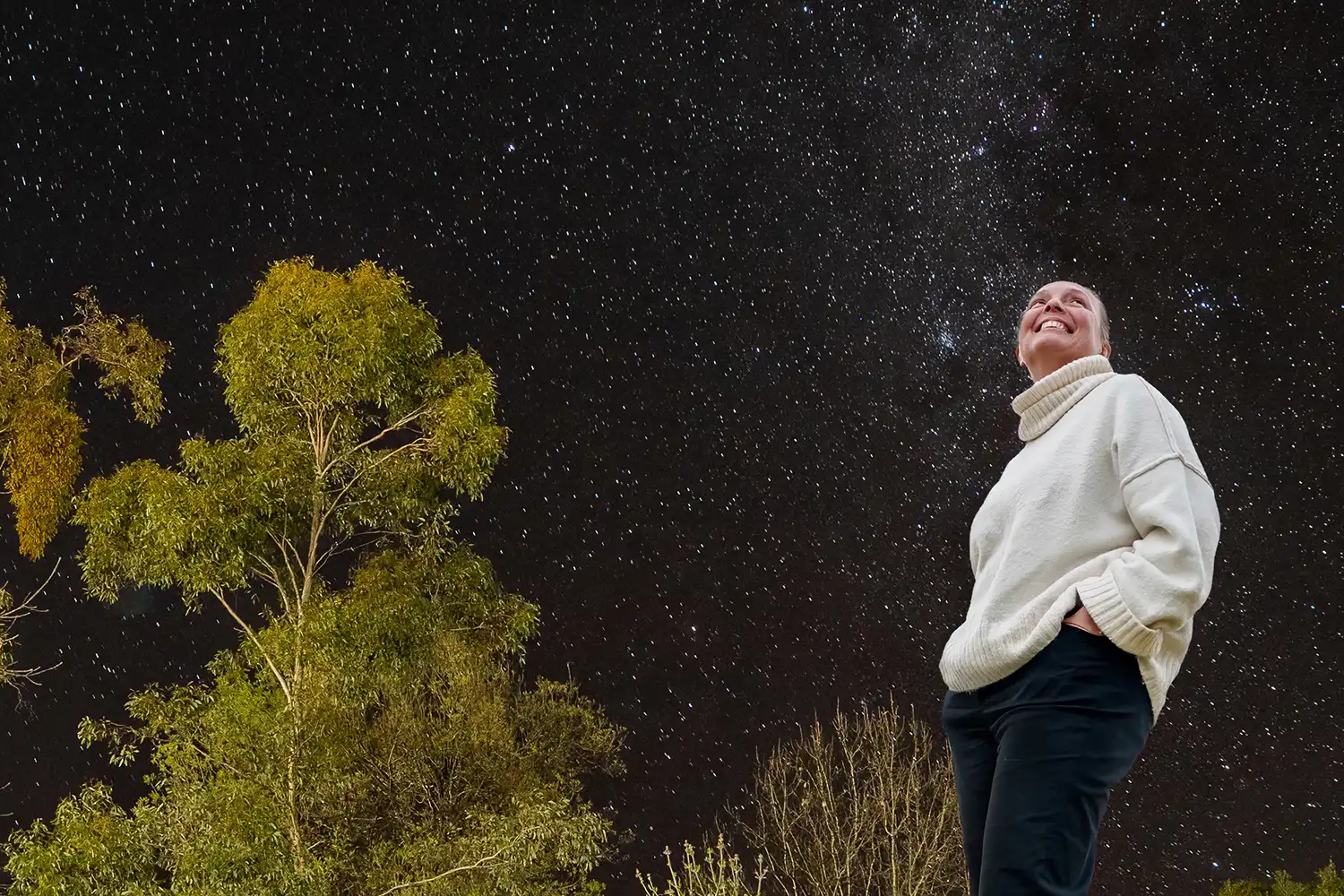
For many, the night sky has become rare. Light pollution has erased the stars from daily life in much of the modern world, and countless people have never seen the Milky Way with their own eyes. So when they do experience true darkness, it can feel almost shocking – and deeply moving.
There is something powerful about standing under a sky filled with stars. It offers perspective, stillness, and connection. Whether it’s the Moon glowing above a landscape, the fleeting streak of a meteor, or the slow arc of the Milky Way, these moments remind us that we are part of something vast and shared.
Dark sky tourism is, at its heart, about more than travel. It is about wonder.
More than Stargazing
As this movement grows, it is becoming clear that dark sky tourism cannot simply be about pointing people toward the stars. The most meaningful experiences are the ones that are designed with purpose – experiences that build understanding as well as awe.
Dark sky and eco tourism have the potential to grow knowledge about light pollution, conservation, astronomy, and cultural connections to the night.
When people learn the stories of the sky, the science behind it, and the importance of protecting it, the experience becomes deeper.
It becomes something that stays with them. And that is where dark sky tourism becomes conservation in action.